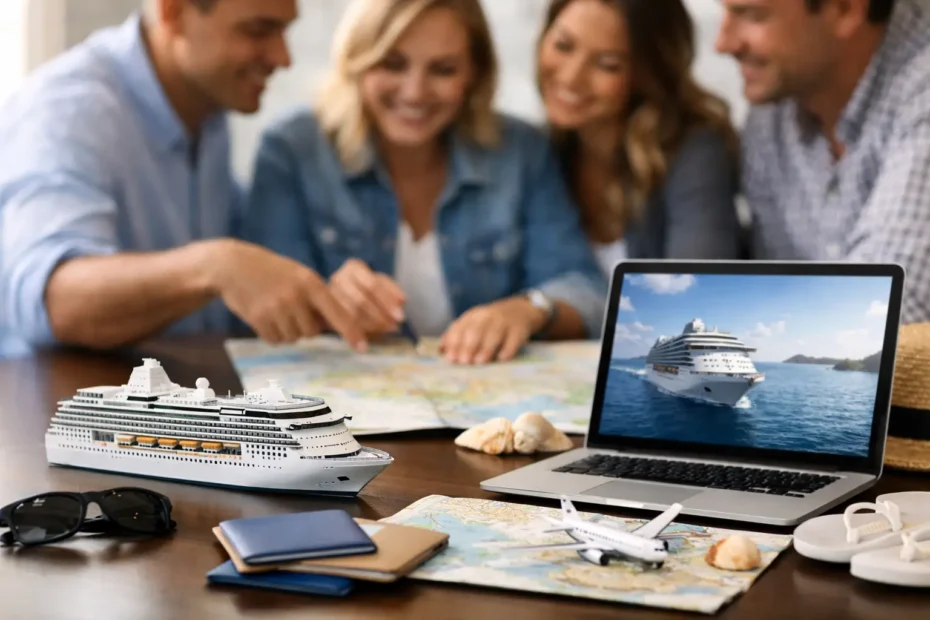
Booking a cruise for a group, whether it’s a wedding party, a family reunion, a company retreat, or a club trip, is different from booking for two. Done right, group cruises save money, simplify planning, and create unforgettable shared experiences. Done wrong, they lead to missed deadlines, lost cabins, and frustrated travelers. Here’s how to book cruise group travel right, from contract to sail-away.
Book Your Group Cruise the Right Way
We negotiate group amenities, manage deadlines, and answer every traveler’s questions, at no extra cost to the organizer.
Group Booking vs Booking Separately
Once you reach a minimum number of cabins (often 8 cabins or 16 guests, depending on the line), you can usually book as an official group. The difference matters:
| Official Group | Separate Bookings | |
|---|---|---|
| Held cabin block | Yes | No |
| Group amenities or credits | Often | No |
| Flexible name deadlines | Usually | Standard rules |
| Deposit terms | Often lower or later | Standard |
| Linked dining | Easier | Possible with requests |
Step 1: Get Early Commitment
Before contacting a cruise line or advisor, find out roughly how many people are serious. A quick poll with dates, destinations, and budget range helps. Expect some attrition. Not everyone who says “maybe” will book.
Step 2: Choose the Sailing Strategically
- Dates: Avoid peak holidays unless necessary; they’re pricier and sell out faster.
- Length: 4–7 nights works for most groups.
- Port: Choose one that’s convenient for most travelers.
- Ship: Match the ship to the group’s ages and interests.
Step 3: Set Up the Group Contract
Your advisor or the cruise line’s group department creates a group contract that includes:
- Number and categories of cabins held
- Group rate and any amenities
- Deposit due dates
- Name deadline (when each cabin must have guest names)
- Release dates for unsold cabins
- Final payment date
- Cancellation terms
Read it carefully. Missing a release date can mean losing cabins back to general inventory.
Step 4: Understand Group Amenities
Depending on the line and the group size, amenities may include:
- Tour conductor credits: Often one credit per 8 cabins (16 guests), which can offset an organizer’s cost or be shared
- Onboard credit for the group or organizer
- A private cocktail party or meeting space
- Price protection if public fares drop
Amenities vary, so negotiate and get them in writing.
Step 5: Collect Deposits and Names
Each cabin usually pays its own deposit and balance. Give travelers a clear deadline, earlier than the cruise line’s, to allow for stragglers. Make sure names match passports exactly.
Step 6: Communicate Constantly
Create one central place for information: a group chat, email list, or simple web page. Share:
- Ship, dates, and port
- Deposit and payment deadlines
- Document requirements
- Planned group events
- Packing tips and dress codes
Step 7: Plan Group Events
- Group dinner seating (request linked reservations early)
- A private event or reception
- A shared excursion or private island beach day
- A group photo
Keep group events limited. People also want free time.
Step 8: Encourage Travel Insurance
In a large group, cancellations are inevitable. Encourage everyone to buy insurance soon after their deposit. See when to buy cruise insurance.
Step 9: Manage Changes
People will drop out, add guests, or want to switch cabins. Group contracts often allow name changes up to the name deadline. Keep a waitlist of people interested in open cabins.
Common Group Booking Mistakes
- Waiting too long to hold cabins
- Not reading the group contract
- The organizer paying for everyone without a reimbursement plan
- Assuming everyone can sit together without arranging dining in advance
- Forgetting that gratuities and onboard spending are per cabin
Why Use an Advisor for Group Cruises?
Group bookings involve contracts, deadlines, and dozens of personal questions. An experienced advisor handles the details so the organizer can enjoy the trip too. At The Cruise Headquarters, we set up group contracts, negotiate amenities, track deadlines, link dining, and answer traveler questions, at no extra cost. See our guide to cruise planning for groups.
Frequently Asked Questions
How many people do you need for a group cruise?
Usually 8 cabins or 16 guests, depending on the line.
Can group members book different cabin types?
Yes. Groups can include a mix of categories.
What happens to unsold cabins in a group block?
They’re released back to the cruise line by a set date.
Can the group get a discount?
Group pricing and amenities vary. Sometimes the best value comes from amenities rather than lower fares.
Plan Your Group Cruise the Right Way
Request a free group cruise quote from The Cruise Headquarters today.
© 2026 The Cruise Headquarters (thecruisehq.com). All Rights Reserved. No reproduction without written permission.
Group cruise planning timeline
| When | What to do |
|---|---|
| 12–18 months out | Pick line, ship, and dates; request a group block |
| 9–12 months out | Collect deposits and names; confirm cabin assignments |
| 6 months out | Confirm dining arrangements and group events |
| Name deadline | Release unused cabins without penalty |
| Final payment | Collect balances; check insurance for everyone |
| 30 days out | Share documents checklist and meeting plan |
Name one organizer as the point of contact and keep a single shared tracker for deposits, names, and cabin numbers.