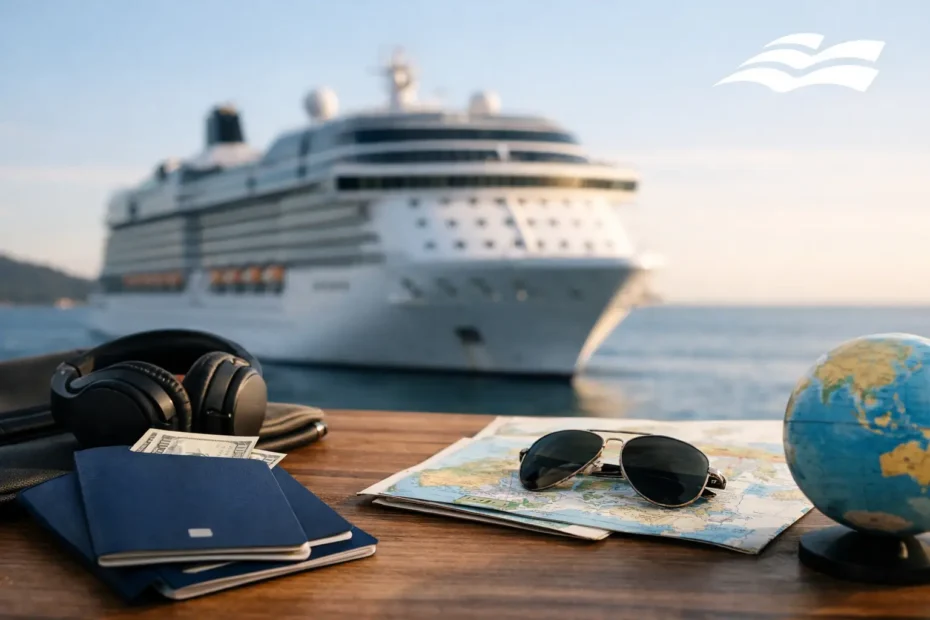
The document question can feel minor right up until check-in, when one missing paper can stop a long-planned cruise before it begins. This guide to cruise passport rules gives U.S. travelers the practical answer: a passport is not required for every sailing, but it is usually the smartest document to carry.
Cruise lines, border authorities, and destination governments each have rules that may apply to your itinerary. The safest approach is to verify your documents before you book, then check them again before final payment and before you leave home. A little preparation protects far more than your boarding day. It protects your ability to handle an unexpected change without being stranded or left to sort it out alone.
When You Need a Passport for a Cruise
For most international cruises, every traveler should plan to bring a valid passport book. It is generally required when your cruise begins in one country and ends in another, and it may be required for sailings that visit certain destinations, even when the itinerary starts and ends in the United States.
A passport is also the cleanest answer for travelers whose plans change. If you need to leave the ship early because of an illness, family emergency, weather disruption, or another unexpected event, a passport gives you the broadest options for returning to the United States. Without one, resolving a disruption can become slower, more expensive, and much more stressful.
There are limited exceptions for certain U.S. citizens on what are commonly called closed-loop cruises. These are sailings that depart from and return to the same U.S. port. On many of these itineraries, a U.S. citizen may be allowed to sail with an original or certified copy of a birth certificate plus a government-issued photo ID, such as a driver’s license.
That exception is helpful, but it is not the same as a recommendation. A birth certificate proves citizenship, but it does not provide the same flexibility as a passport. Rules can differ by itinerary, cruise line, destination, and traveler circumstance. For couples, families, and groups making a major vacation investment, a valid passport book is the better peace-of-mind choice.
Closed-Loop Cruises: What the Exception Really Means
A closed-loop itinerary may allow alternate proof of citizenship, but travelers often assume that means any identification will work. It does not. A standard driver’s license alone is not proof of U.S. citizenship. A photocopy of a birth certificate, a hospital-issued certificate, or an expired passport may also fail the check-in requirement.
If you are relying on a birth certificate, it generally needs to be an original or certified copy issued by a government authority. Adults also need a valid government-issued photo ID. Travelers should read the cruise line’s documentation instructions for their exact sailing, not a general rule found in an old social media post or a friend’s experience from years ago.
There is another complication for travelers whose names have changed. If the name on your reservation does not match the name on your citizenship document, you may need supporting documentation, such as a marriage certificate or court order. Your booking name should match your passport or other travel document exactly, including middle names when required by the cruise line.
For convenience at check-in and flexibility if plans shift, passports remain the preferred choice, even on a closed-loop cruise.
Passport Rules That Can Catch Travelers Off Guard
A passport that is technically unexpired is not always enough. Some destinations require passports to remain valid for a specified period after your cruise ends. Six months is a common standard, although the exact requirement depends on the countries on your itinerary.
Do not wait until the week before sailing to inspect your expiration date. Renewal processing can take time, and there is no benefit to gambling with an expiration rule that could have been handled months earlier. If your passport is approaching expiration, address it early and confirm the requirements for every destination your ship will visit.
Passport cards create another point of confusion. A U.S. passport card can be useful for certain land and sea crossings, but it is not a substitute for a passport book on every cruise itinerary. It also does not provide the same options if an unexpected situation requires you to return to the United States by air. For cruise travel, the passport book is the most broadly accepted and protective document.
Children need their own documentation, too. A child cannot travel internationally on a parent’s passport. For minors sailing with one parent, grandparents, other relatives, or a group, additional consent paperwork may be requested or strongly recommended. The cruise line’s policy and the requirements of the destinations visited both matter. This is especially worth reviewing for multi-generational trips, where assumptions about family relationships can create avoidable check-in delays.
Guide to Cruise Passport Rules by Traveler Situation
Your documentation needs are personal, not just itinerary-based. The same sailing can have different requirements for a U.S. citizen, a lawful permanent resident, and a guest traveling on a passport from another country.
U.S. citizens
A valid U.S. passport book is the best choice for nearly every international cruise. In limited closed-loop cases, a certified birth certificate and photo ID may be accepted, but that route offers less protection when something goes wrong.
Lawful permanent residents
Permanent residents should typically travel with their valid passport from their country of citizenship and their valid Permanent Resident Card. Requirements can vary based on the itinerary and the countries visited, so this is not an area for guesswork.
Guests who are not U.S. citizens
Guests traveling on a non-U.S. passport may need visas, transit documents, or other entry permissions for one or more ports. Even when the cruise line permits boarding, a destination government can still deny entry if the traveler does not have the required documentation. Check every port, not just the embarkation port.
Families with minors
Bring each child’s required citizenship document and make sure names are consistent across reservations and paperwork. If a minor is not traveling with both legal parents or guardians, confirm whether consent forms, custody documents, or other records are needed. Carrying the right paperwork is easier than trying to explain a family situation at the terminal.
Your Document Checkpoint Before You Book
Before committing to a cruise, confirm whether the itinerary is closed-loop, every country the ship will visit, and the documentation rules for every traveler in your party. This includes ports where you do not plan to leave the ship. It is the itinerary, not your excursion plans, that determines the relevant entry requirements.
Next, compare your booking names against your documents. Correcting a name later may be possible, but it can involve deadlines and extra work. Confirm passport expiration dates, look for name discrepancies, and ask about visas or minor-travel requirements before your reservation is finalized.
Keep documents protected and accessible. Bring your passport or citizenship documents in your carry-on for embarkation rather than placing them in checked luggage. Once aboard, follow the cruise line’s instructions for securing your passport. Some travelers carry a copy separately for reference, but a copy does not replace the original when an authority requires the actual document.
Why Expert Review Is Worth It
Passport rules are not where travelers should rely on assumptions. A cruise may look straightforward until you account for a port change, a child with a different last name, an expiring passport, or a traveler who is not a U.S. citizen. Those details can change the answer quickly.
At The Cruise Headquarters, we help travelers review the practical details behind the itinerary, not just select a ship and cabin. That means asking the questions early, flagging potential documentation issues, and helping you move forward with more confidence. We cannot issue passports or override government rules, but we can help make sure the right questions are answered before your cruise is on the line.
A passport may feel like one more item on a planning checklist, but it is really a safeguard for your vacation. Check it early, verify your specific itinerary, and give yourself the freedom to enjoy the countdown instead of worrying about the terminal.
