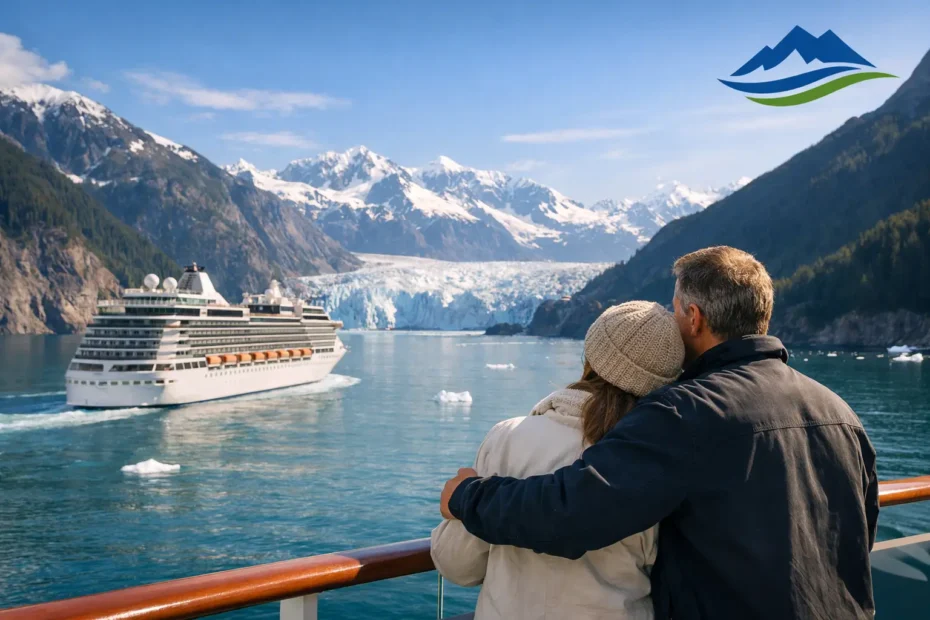
Alaska is not the cruise to book on ship name alone. A balcony that faces the wrong direction, a seven-night itinerary that skips your must-see port, or an excursion that sells out before you decide can change the whole trip. The best Alaska cruise planning tips start with matching the sailing to how you actually want to experience the destination, then protecting the value of a vacation that is often planned years in advance.
For some travelers, that means a family-friendly ship with flexible dining and plenty to do on sea days. For others, it means a quieter itinerary with more time in port, a scenic rail extension, or a smaller ship experience. Alaska rewards careful planning, but you do not need to become an expert in every cruise line to get it right.
Start With the Alaska Experience You Want
Before comparing fares, decide what belongs on your personal Alaska wish list. Are you hoping to see glaciers from your balcony? Do you want to ride a train through the interior, spot bears, take a helicopter to a glacier, or simply enjoy a relaxing cruise with dramatic scenery? Those answers should guide the itinerary and ship, not the other way around.
Most first-time Alaska cruisers look at one-way Northbound or Southbound sailings between Vancouver and Seward or Whittier, near Anchorage. These are especially appealing if you want to add a land vacation in Alaska before or after the cruise. Roundtrip cruises from Seattle or Vancouver are often more convenient and can be easier for families or travelers who prefer to avoid an open-jaw flight itinerary.
A one-way cruise generally provides a stronger fit for a cruise tour or independent land extension. The trade-off is that flights may be more expensive or less convenient. A roundtrip sailing can simplify logistics, but it may spend more time at sea and typically does not reach as far into the Gulf of Alaska.
Look Beyond the Port Names
Juneau, Skagway, Ketchikan, and Sitka appear on many itineraries, but arrival times and port hours matter as much as the names. A ship in Juneau from early morning to evening gives you more excursion options than one with a short afternoon call. Glacier viewing also varies. Glacier Bay is a major draw for many travelers, while Hubbard Glacier and Tracy Arm offer different but equally memorable scenic experiences depending on conditions.
Do not assume every Alaska itinerary includes the same glacier access. Ask exactly which scenic cruising day is included, how much time is planned there, and whether the ship has a naturalist or park ranger program onboard.
Choose Your Sailing Month With Realistic Expectations
Alaska cruise season usually runs from late April through September. There is no single best month for everyone because the priorities can conflict.
May and September often offer attractive pricing, fewer crowds, and a quieter feel. May can bring crisp weather, snow still visible on mountain peaks, and longer daylight as the month progresses. September brings fall color in some areas and can be a good time for wildlife viewing, though weather can be wetter and cooler.
June through August usually brings the warmest conditions and the broadest range of excursions. July is a popular choice for families because school is out, but that demand can mean higher fares and busier ports. June offers very long days, which can make sightseeing feel less rushed. August can be excellent for whale watching, but rain gear becomes especially useful.
Weather in Alaska is variable in every month. Pack for layers, not for a guaranteed forecast. A waterproof outer layer, comfortable closed-toe shoes, a warm mid-layer, gloves, and a hat are smart even if the itinerary is in midsummer. A small daypack and binoculars are worthwhile, particularly on glacier and wildlife-viewing days.
The Best Alaska Cruise Planning Tips for Cabin Selection
A balcony is one of the most debated Alaska cruise purchases. For many guests, it is worth the added cost because scenery is part of the experience, not just something you see while walking to dinner. You can step outside early in the morning, watch for whales, and enjoy glacier approaches without competing for deck space.
That said, a balcony is not automatically the right answer. Travelers who plan to spend most of the day in port, book a packed slate of excursions, or want to control their budget may be perfectly happy in an ocean-view or interior cabin. Modern cruise ships have plenty of public viewing areas, and the savings can go toward a once-in-a-lifetime excursion.
If you choose a balcony, cabin location matters. On northbound sailings, the starboard side often faces more of the coastline. On southbound sailings, port side can have the advantage. But this is not a guarantee. Ships turn, weather affects routing, and the best views may be on either side during glacier viewing. A midship cabin on a lower deck can be a better choice for travelers concerned about motion, even if it means giving up a preferred view direction.
Avoid booking solely from the lowest advertised price. Confirm the exact cabin category, deck, location, bed setup, and any possible obstructions. A good advisor can help you compare the real differences instead of leaving you to decode cabin maps and promotional fine print.
Budget for Excursions Before You Book the Cruise
Alaska shore excursions are often the moments people remember most, and they can add a meaningful amount to the total vacation cost. A glacier helicopter landing, dog sledding experience, flightseeing trip, wildlife boat tour, or private fishing charter may be worth it. It just should not be a surprise after you have already committed the full vacation budget to the cabin.
Choose one priority experience first. If flying over glaciers is non-negotiable, reserve room in the budget for it before upgrading to a suite or adding a premium package. Then fill the remaining ports with lower-cost options such as a local shuttle, a walking tour, a museum, or time to explore the waterfront.
Independent excursions can sometimes offer smaller groups or different timing, while cruise line excursions provide an added layer of protection if delays occur. There is no universal right choice. In remote ports, tight schedules, or activities that require transportation a long distance from the ship, the peace of mind of a cruise-sponsored tour can be worth the premium. For a simple in-town activity, an independent option may be a comfortable fit.
Popular Alaska excursions sell out early, particularly helicopter tours and limited-capacity wildlife experiences. Waiting until embarkation is rarely the best strategy if an activity would be disappointing to miss.
Factor in Flights, Transfers, and Pre-Cruise Time
Alaska cruises involve more moving parts than many Caribbean sailings. Vancouver, Seattle, Anchorage, Seward, and Whittier each have different flight, hotel, and transfer considerations. If your cruise departs from Vancouver, confirm passport requirements well before final payment. A closed-loop sailing from Seattle may have different documentation rules, but a passport remains the simplest and most flexible choice for most travelers.
For one-way sailings, plan to arrive at least one day before embarkation. Flight disruptions happen, and Alaska departures are not the place to gamble with a same-day arrival. The same thinking applies after the cruise if you are departing from a smaller or more remote airport. Allow appropriate transfer time and avoid booking a flight that leaves before you can realistically reach the airport.
A pre-cruise hotel night also gives you a calmer start. You can check your luggage, explore the departure city, and board the ship without the stress of a delayed connection hanging over the day.
Compare the Total Value, Not Just the Fare
Cruise pricing changes. Promotions change. Cabin inventory changes. The fare you first see can look appealing until taxes, port expenses, gratuities, airfare, hotel nights, transfers, packages, and excursions are added.
Ask for a clear comparison of the total expected cost for the vacation you want. Then compare what is actually included. A higher cruise fare may include a better cabin, onboard credit, a beverage package, specialty dining, or an advisor-only benefit that makes it the better value. On the other hand, paying for a package you will barely use is not a bargain simply because it was advertised as one.
This is also where ongoing price monitoring matters. If a cruise line releases a better promotion or lower fare before final payment, there may be an opportunity to reprice or move to a stronger offer, subject to the cruise line’s rules and cabin availability. Those opportunities are easy to miss when you are tracking every deadline yourself.
Use an Advisor Who Will Stay Involved
The best Alaska cruise planning tips are less about finding one perfect ship and more about having someone protect the details around it. Your cruise advisor should ask about mobility needs, family dynamics, travel dates, spending comfort, flight preferences, and what would make the trip feel successful. They should also explain the trade-offs clearly, not push the most expensive option.
At The Cruise Headquarters, our role is to help you select the right sailing, apply available promotions, monitor pricing, and remain in your corner before, during, and after your cruise. When a cabin question, schedule change, or cruise line issue appears, you should not have to start over with a call center.
Alaska will give you the big moments – calving glaciers, humpback sightings, misty forests, and mountains that make the ship feel small. Give yourself the freedom to enjoy them by putting the planning decisions in the right order before you book.
