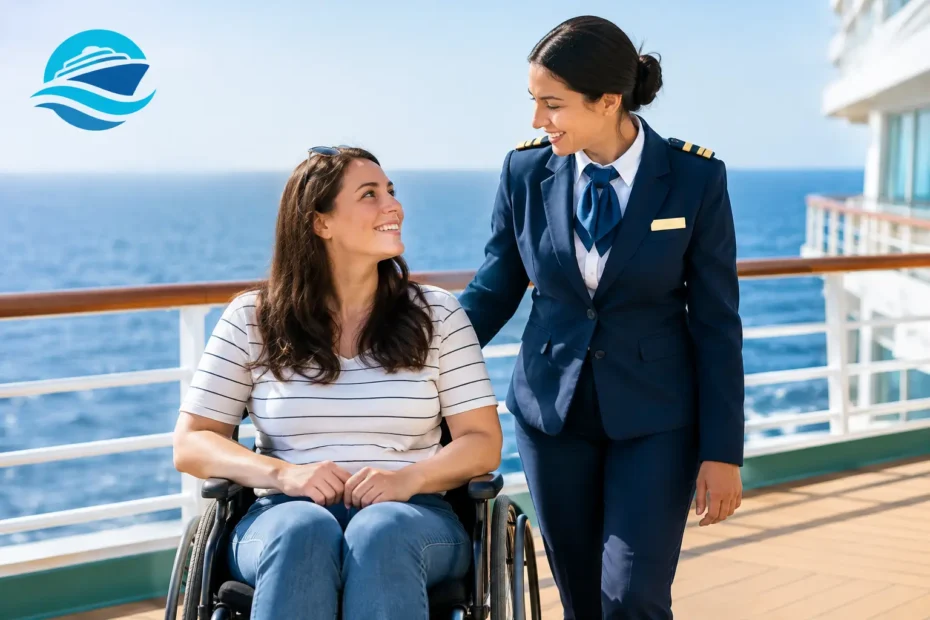
The best time to ask how to request cruise accessibility is before you choose a cabin, not after the final payment is made. An accessible cruise can be an outstanding vacation, but the details matter: the right stateroom, realistic expectations for ports, and written confirmation of the services you need. A verbal note on a reservation is not enough when your comfort, safety, and independence depend on it.
Cruise lines do accommodate many mobility, sensory, dietary, and medical-related needs. However, each line has its own process, deadlines, cabin inventory, and limits. Getting expert help early gives you more choices and fewer surprises when it is time to sail.
How to Request Cruise Accessibility Before Booking
Start by describing what will make the cruise workable for you, rather than simply asking for an “accessible cabin.” Accessibility needs are personal. One traveler may need a roll-in shower and space to turn a power wheelchair. Another may walk independently but need a cabin close to elevators, a shower seat, or help with embarkation.
Share practical details with your travel advisor or cruise line: whether you use a wheelchair or scooter, its dimensions and weight, whether you can transfer independently, and whether you need a companion to assist you. If you have hearing or vision needs, explain what accommodations would be useful, such as visual alarms, amplified equipment, or other available services.
This conversation should happen before the cabin is selected. Accessible staterooms are limited and can sell out well before a sailing does. A cruise may still show standard cabins for sale while the appropriate accessible cabin category is gone.
A knowledgeable advisor can help match your needs to the actual layout and policies of a specific ship, rather than relying on a cabin label alone. The Cruise Headquarters can also help make sure accessibility requests are submitted correctly and followed through before departure.
Choose the Cabin for Your Actual Needs
Not every cabin marketed as accessible will suit every traveler. Some have wider entry doors and additional floor space, while others include features such as roll-in showers, grab bars, lowered fixtures, visual door alerts, or accessible routes to public areas. Confirm the features of the exact cabin category and ship you are booking.
Ask direct questions about the bathroom. A larger bathroom does not automatically mean a roll-in shower. If a shower threshold, shower seat, or transfer space affects your ability to use the room safely, get the details in writing.
Location matters, too. A cabin near elevators may reduce long walks through corridors, but it can also be busier and noisier. A cabin farther from common spaces may be quieter, yet less convenient for someone with limited stamina. There is no universal best location. The right choice depends on how you move around the ship and what makes you most comfortable.
Traveling with a mobility scooter requires extra care. Cruise lines may require mobility devices to fit inside the stateroom when not in use because hallways must remain clear for safety. Confirm your device dimensions, turning radius, battery type, and charging requirements before booking. Do not assume it can be parked outside the door.
Submit the Cruise Line’s Accessibility Forms Promptly
Most cruise lines use a special-needs or accessibility request form for items beyond the cabin itself. This may cover mobility assistance at embarkation, accessible transportation where offered, refrigeration for medication, dietary requests, sign-language interpretation, or equipment requests.
Submit the form as soon as your reservation is confirmed. Some requests need advance notice, and certain accommodations may have earlier deadlines or depend on availability. Do not wait until online check-in to mention a need that affects your cabin, boarding process, or onboard safety.
Keep copies of every submission and every response. Ask for written confirmation that the request was received, then verify whether it is confirmed, pending, or subject to approval. Those are very different statuses.
For medically necessary equipment or supplies, the cruise line may request additional information from your physician. Requirements vary, especially for oxygen, dialysis arrangements, sharps containers, refrigeration, or electrical medical devices. Your advisor can help you identify the cruise line’s requirements, but medical clearance and documentation remain your responsibility.
Plan for Embarkation and Life Onboard
Embarkation day is easier when the cruise line knows you need assistance, but it is still wise to arrive with patience and a plan. Accessible check-in procedures vary by port, terminal, and sailing. Requesting wheelchair assistance for a long walk through the terminal is different from reserving a wheelchair for use throughout the cruise.
Cruise line wheelchairs used for embarkation are generally for boarding assistance, not personal use onboard. If you need a wheelchair or scooter during the sailing, bring or arrange the appropriate device in advance under the cruise line’s rules.
Once onboard, take a few minutes to locate the nearest elevator, accessible restroom, dining room entrance, medical center, and muster station route. If you have concerns about your assigned muster station or emergency procedures, speak with guest services early. It is much easier to resolve questions on the first day than during an emergency drill.
Dietary needs also deserve advance documentation. A dining preference is not the same as an allergy or medically necessary diet. Provide clear information before sailing, then introduce yourself to dining staff once onboard so they understand how to support you throughout the cruise.
Think Carefully About Ports and Tendering
The ship may be accessible while a particular port day is more complicated. Shore access can depend on tides, weather, pier configuration, local transportation, and whether the ship must use tender boats to reach shore.
Tender ports can be especially challenging for travelers who use wheelchairs or scooters. Conditions may mean that a guest cannot safely board a tender, even with advance planning. That does not mean you should avoid cruising, but it does mean itinerary selection deserves careful attention.
Before booking, ask which ports are docked versus tendered and whether the cruise line can provide guidance on accessible shore access. If an independent walking tour, uneven terrain, or a vehicle without a lift would not work for you, build that into your expectations. A relaxing day onboard can be a good option, but it should be your choice, not an unpleasant surprise.
Reconfirm Before You Sail
A few weeks before departure, review every accessibility request again. Confirm your cabin number and features, mobility-device approval, special equipment requests, dietary notes, and any medical documentation requirements. Review the cruise line’s current policies, too, because operational rules can change.
Bring printed copies of confirmations, relevant medical documents, device specifications, and prescription information in your carry-on bag. If your request is not reflected correctly at the terminal or onboard, having clear records helps the team resolve it faster.
Questions Travelers Ask About Cruise Accessibility
Can I book an accessible cabin if I do not need one?
Accessible cabins are intended for guests who need their features. Booking one without a genuine need can leave another traveler without a workable accommodation, and cruise lines may move guests from these cabins if eligibility is not supported.
Can a cruise line guarantee every request?
No. Cruise lines work to accommodate requests, but some services depend on advance notice, ship design, local conditions, staffing, safety rules, and availability. That is why early requests and written confirmation matter so much.
Do I need to disclose my medical condition?
You generally only need to provide information relevant to the accommodation or safety requirement. Focus on what you need, such as a roll-in shower, refrigeration for medication, or approval for a medical device. Follow the cruise line’s documentation process when it applies.
Should I wait until I board to ask for help?
No. Guest services can often help with onboard questions, but they cannot create an accessible cabin, add space to a bathroom, or guarantee an unavailable service at the last minute. Put essential needs in the reservation well before sailing.
A cruise should feel like time away, not a series of obstacles to manage. Start early, be specific, and keep every confirmation. With the right cabin, the right requests, and someone advocating for the details, you can board knowing you are prepared and never left to sort it out alone.
