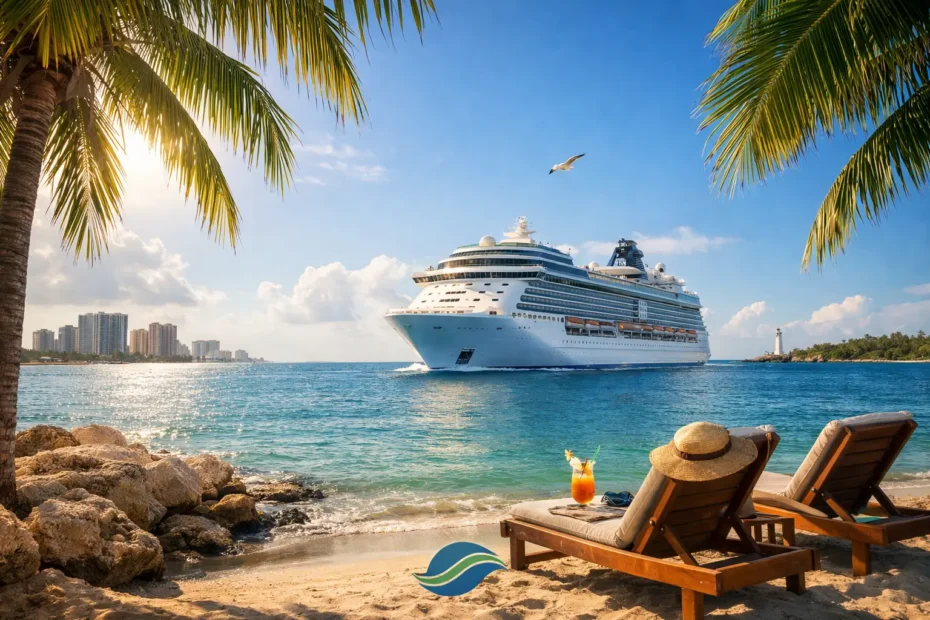
A Friday boarding pass can turn into a Monday morning with sand still in your shoes. That is the appeal of a short sailing, but a great quick trip is not simply about choosing the lowest fare. This weekend cruise from Florida guide helps you match the right departure port, ship, cabin, and itinerary to the time you actually have – without paying for a vacation that feels rushed.
A weekend cruise is usually three or four nights, with options sailing from Miami, Port Canaveral, Fort Lauderdale, Tampa, and Jacksonville. Most head to the Bahamas, with select itineraries visiting private destinations or Mexico. The right choice depends less on the island name and more on your drive time, flight schedule, group, and priorities onboard.
Start With the Time You Really Have
Short cruises reward realistic planning. A three-night sailing may look like a long weekend, but you still need to account for getting to the port, boarding windows, disembarkation, parking or airport transfers, and the trip home. If you are flying in, arriving the day before is often the safer move. A delayed same-day flight can put the entire vacation at risk.
For Florida residents within driving distance, a Friday-to-Monday cruise can be one of the easiest ways to take a real break without using much vacation time. For travelers coming from elsewhere in the U.S., four nights may offer better value because the transportation effort is the same, while the time onboard feels less compressed.
Before comparing ships, decide whether you want a true weekend escape or a longer mini-vacation. Then choose a port that protects your time rather than adding stress to it.
Choosing the Best Florida Cruise Port
Florida has more weekend cruise options than any other state, but each port creates a different experience.
Miami: The Widest Choice of Ships
Miami is often the strongest option when ship selection matters. Major cruise lines regularly sail newer, larger ships from this port, giving you more choices for dining, entertainment, water attractions, and private-island stops. It can be especially appealing for families, couples who want nightlife, and repeat cruisers who prefer a specific cruise line.
The trade-off is that Miami can be busy. Allow extra time for traffic, parking, and airport transfers, particularly during school breaks and holiday weekends. If you are flying in, consider whether a hotel near the airport or port makes the first day easier.
Port Canaveral: Convenient for Central Florida
Port Canaveral is a natural choice for travelers near Orlando, the Space Coast, and much of Central Florida. It also serves travelers who want to pair a cruise with theme parks, though combining both can make a short trip feel packed.
This port is known for family-friendly ships and Bahamas itineraries. It is a practical pick when convenience is more valuable than staying in the middle of a major city before you sail.
Fort Lauderdale: A Smooth Choice for Couples and Adults
Port Everglades in Fort Lauderdale offers another major South Florida departure point, often with easy access to hotels and the Fort Lauderdale airport. The port can be a good fit for couples, adult groups, and travelers looking for a polished pre-cruise stay.
Do not assume it will always be less expensive than Miami. Compare the total cost, including flights, hotel, parking, and the specific cabin you want. The best fare is not always the best trip.
Tampa and Jacksonville: Good for Regional Drive Markets
Tampa can be a smart option for Gulf Coast travelers and anyone who prefers a more manageable drive than South Florida. Jacksonville may be convenient for North Florida and southern Georgia travelers. These ports tend to have fewer ship and itinerary choices, but that can be a worthwhile trade for an easier embarkation day.
Pick the Ship Before You Pick the Island
On a three- or four-night sailing, the ship matters more than many first-time cruisers expect. You may have only one port day, and weather or itinerary changes can happen. If the ship itself is a good fit, the vacation still works when plans shift.
Families may want waterslides, flexible dining, kids programming, and enough casual food choices to avoid meal-time negotiations. Couples may care more about specialty dining, a quiet pool area, live music, a spa, or an adults-only space. Friend groups often benefit from a ship with plenty of included entertainment and cabins that make sharing costs practical.
Newer ships usually offer more venues and activities, but an older ship can still be a good value if you are focused on the destination and a comfortable place to recharge. The question is not whether a ship is the newest. It is whether its experience matches your weekend.
Cabin Choices Can Make or Break a Short Cruise
For a quick sailing, it is tempting to book the least expensive inside cabin and move on. That can be the right call if you plan to be out enjoying the ship all day and want to keep the budget tight. But cabin location and layout matter when every hour counts.
An ocean-view cabin adds natural light without the full price of a balcony. A balcony can be worthwhile for couples who value private outdoor space or travelers who want a quiet retreat from busy public decks. For families, the best value may be a cabin that sleeps everyone comfortably, rather than the lowest advertised rate that requires a second room or a cramped arrangement.
Also look at location. A cabin directly below a nightclub, near a high-traffic elevator bank, or far from the areas you use most can affect your experience. Cabins near midship may feel more stable for travelers concerned about motion, though no location eliminates the possibility of rough seas.
Budget for More Than the Advertised Fare
Cruise fares can be compelling, especially on short sailings, but the advertised number is only the starting point. Taxes, port fees, gratuities, transportation, parking, drink packages, Wi-Fi, specialty dining, shore excursions, and travel protection can change the total quickly.
You do not need to buy every add-on. In fact, a short cruise is one of the easiest places to overspend on things you have little time to use. A drink package may make sense for some travelers, but compare its daily price with how much you realistically plan to drink. Wi-Fi can be useful if you need to stay reachable, but it may be unnecessary if your goal is to disconnect.
Private-island stops can be low-cost beach days if you use included food and beach access. They can also become expensive if you add cabanas, water parks, or premium activities. There is no wrong choice, as long as it is intentional.
A Weekend Cruise From Florida Guide to Better Booking Timing
The best time to book depends on your flexibility. If you can sail during shoulder seasons, avoid major holidays, and consider multiple ports, you may find lower fares. If you need a particular school break, cabin type, or group of rooms, booking earlier usually gives you more choices.
Price is only one part of timing. Promotions can change, and some offers include onboard credit, reduced deposits, cabin upgrades, or other incentives that may be more valuable than a small fare difference. A professional cruise advisor can compare those details, apply available promotions, and continue watching for qualifying price improvements after you book.
That support is particularly valuable for short cruises because the planning window is often tight. You should not have to spend your week calling a cruise line, checking rates repeatedly, or trying to decipher which offer is actually better.
Do Not Skip the Details That Protect Your Weekend
Make sure every traveler has the required travel documents for the specific itinerary. Many closed-loop cruises beginning and ending at the same U.S. port have flexible documentation rules for certain U.S. citizens, but a passport is still the simplest and most broadly useful choice. Rules can vary by itinerary, citizenship, and circumstance, so verify them before final payment.
Travel protection deserves a practical look, too. A short cruise costs less than a long vacation, but a missed sailing, medical issue, delayed bag, or interrupted trip can still be frustrating and expensive. The right option depends on your health coverage, credit card benefits, airfare arrangements, and comfort with risk.
Finally, arrive with a plan for embarkation day. Complete online check-in early, keep medications and essentials in your carry-on, and do not pack your swimsuit in checked luggage if you want to enjoy the pool before cabins are ready.
A weekend at sea should feel like a break, not another project to manage. When you are ready to compare the right ship, cabin, promotions, and departure port, The Cruise Headquarters can help you book with price confidence and have an experienced advocate in your corner before you sail. The best short cruise is the one that gives you more time enjoying it and less time worrying about the details.